
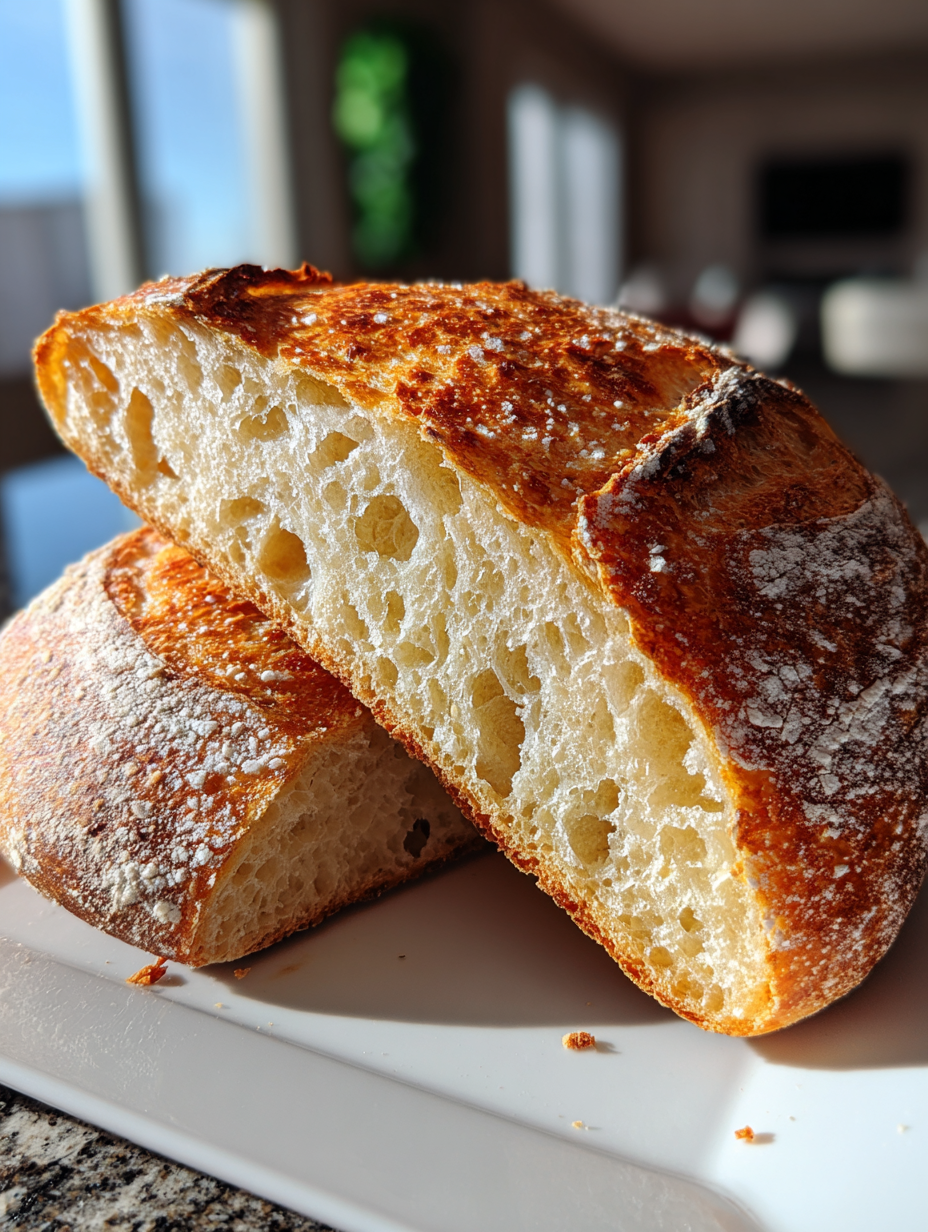
Sourdough bread is a timeless favorite for many home bakers. This unique bread boasts a distinctive flavor and texture that make it a staple in kitchens around the world. With its tangy taste and crispy crust, sourdough bread has become synonymous with artisanal baking.
This recipe is perfect for those who appreciate the art of bread-making. Sourdough bread not only nourishes the body but also offers an enjoyable baking experience. The process of creating this bread allows you to engage with the ingredients and discover the joy of fermentation.
One key benefit of this recipe is its simplicity. With just a few natural ingredients and some patience, you can create a loaf that rivals any bakery. Additionally, the fermentation process enhances the bread’s nutritional profile, making it a healthier option.
Why Make sourdough bread?
There are many reasons to try your hand at making sourdough bread.
- Flavor: The natural fermentation process creates a complex flavor profile that is unmatched by store-bought bread.
- Health Benefits: Sourdough is easier to digest and may have a lower glycemic index due to its fermentation.
- Artisan Craft: Baking sourdough bread is a rewarding experience that allows you to develop your skills.
- Versatility: Sourdough can be used in various recipes, from sandwiches to toast or even as a base for pizzas.
History and Origin of sourdough bread
Sourdough bread has a rich history that dates back thousands of years. It is believed that ancient Egyptians were the first to discover the fermentation process, leading to the creation of sourdough. Over time, this method spread across the globe, becoming a staple in many cultures.
The popularity of sourdough surged during the Gold Rush in California, as miners sought nutritious, long-lasting bread. Today, sourdough has regained popularity, especially among home bakers who appreciate its depth of flavor and artisanal quality.
People love making sourdough bread at home because it connects them with tradition and craftsmanship. The process encourages creativity and experimentation, allowing bakers to develop their unique styles.
Ingredients for sourdough bread
To create the best sourdough bread, you need a few basic ingredients.
- 500g all-purpose flour
- 350g water
- 100g active sourdough starter
- 10g salt
- Optional: 50g whole wheat flour
- Optional: 25g rye flour
According to experts at Healthline, these ingredients provide valuable nutritional value.
How to Choose the Best Ingredients
Selecting quality ingredients is crucial for perfect sourdough bread.
- Flour: Choose high-protein bread flour for better gluten development.
- Water: Use filtered water to avoid chlorine, which can inhibit fermentation.
- Starter: Ensure your sourdough starter is active and bubbly for optimal rise.
How to Make sourdough bread Step by Step
Making sourdough bread is a rewarding journey.
- Mix the flour and water in a bowl. Let it rest for 30 minutes.
- Add the active sourdough starter and salt. Mix until fully combined.
- Knead the dough for about 10 minutes until smooth and elastic.
- Place the dough in a lightly greased bowl and cover. Let it rise for 4-6 hours.
- Shape the dough and place it in a proofing basket. Let it proof for another 2-4 hours.
- Preheat your oven to 450°F (232°C) with a Dutch oven inside.
- Carefully transfer the dough to the hot Dutch oven. Score the top with a sharp knife.
- Bake for 30 minutes with the lid on, then 15-20 minutes uncovered until golden brown.
Check out our full collection of recipes.
Tips and Tricks for the Best sourdough bread
Mastering sourdough bread can be easier with a few expert tips.
- Tip 1: Always use a kitchen scale for accurate measurements. This ensures consistency in your dough texture and flavor.
- Tip 2: Allow your sourdough starter to reach peak activity before using it. This maximizes the leavening power and enhances the bread’s flavor.
- Tip 3: Use high-quality, unbleached flour for the best results. The natural proteins in the flour contribute to the bread’s structure and rise.
- Tip 4: Keep your dough in a warm, draft-free environment during fermentation. This helps the yeast thrive, resulting in a lighter loaf.
- Tip 5: Practice patience during the proofing stage. Giving your dough enough time to rise leads to a better texture and flavor.
Variations and Serving Ideas
Try adding nuts and dried fruits to your sourdough bread for a delightful twist. Walnuts and cranberries create a perfect balance of flavors.
For a savory option, mix in herbs like rosemary or thyme. This enhances the aroma and pairs well with olive oil for dipping.
Experiment with whole grain flours for added nutrition and flavor depth. Whole wheat or rye flour can give your sourdough bread a unique taste and texture.
Seasonal Variations
In spring and summer, consider incorporating fresh herbs or zucchini into your sourdough bread. These ingredients add freshness and vibrancy to your loaf.
During autumn, pumpkin puree and spices like cinnamon create a cozy, seasonal variation. This is perfect for fall gatherings.
In winter, try adding dried fruits or nuts to your sourdough bread. They provide warmth and heartiness, ideal for cold days.
Making It for Kids and Family
Kids love sourdough bread for its chewy texture and tangy flavor. It’s a fun way for them to enjoy homemade food.
You can adapt the recipe by adding fun ingredients like chocolate chips or sprinkles. This makes the bread more appealing to younger eaters.
Storage and Reheating
Store your sourdough bread in a paper bag or a bread box at room temperature. This keeps it fresh without making it soggy.
For reheating, wrap the bread in foil and warm it in the oven. This restores the crust’s crispness and makes it delicious again.
Nutrition Facts (per serving)
- Calories: 200 kcal
- Protein: 6g
- Carbohydrates: 40g
- Fat: 1g
- Fiber: 2g
- Sugar: 0g
- Sodium: 400mg
Frequently Asked Questions About sourdough bread
What is the best way to maintain my sourdough starter?
Feed your sourdough starter regularly with equal parts flour and water. Keep it in a warm spot for optimal growth.
Can I freeze sourdough bread?
Yes, sourdough bread can be frozen. Slice it first, then wrap tightly in plastic wrap and foil.
How can I tell when my sourdough bread is done baking?
Tap the bottom of the loaf; it should sound hollow when fully baked. The crust should also be golden brown.
Why is my sourdough bread dense?
A dense loaf can result from under-proofing or insufficient gluten development. Ensure proper fermentation and kneading.
Can I make sourdough bread without a dutch oven?
Yes, you can use a baking stone or a cast-iron skillet with a lid. Just ensure there’s enough steam during baking.
Conclusion
Creating delicious sourdough bread at home is rewarding and enjoyable. With practice and these tips, you’ll master this timeless recipe. Enjoy the journey of baking sourdough bread!
See also our other recipes.
Print
sourdough bread
- Total Time: 1215
- Yield: 12 servings 1x
Description
Sourdough bread is a timeless favorite that offers a unique flavor and texture, making it a staple in kitchens worldwide. Its tangy taste and crispy crust are the hallmarks of artisanal baking.
Ingredients
- 500g unbleached flour
- 350ml water
- 100g sourdough starter
- 10g salt
Instructions
- Step 1: Mix the flour, water, and sourdough starter in a large bowl until a shaggy dough forms.
- Step 2: Add salt and knead the dough for about 10 minutes until smooth.
Notes
- Always use a kitchen scale for accurate measurements.
- Prep Time: 30
- Cook Time: 45
- Category: recipes
- Method: baking
- Cuisine: American
Nutrition
- Serving Size: 1 serving (60g)
- Calories: 150
- Sugar: 0
- Sodium: 300
- Fat: 1
- Saturated Fat: 0
- Unsaturated Fat: 1
- Trans Fat: 0
- Carbohydrates: 30
- Fiber: 2
- Protein: 5
- Cholesterol: 0
Keywords: sourdough, bread, baking, artisanal, fermentation