
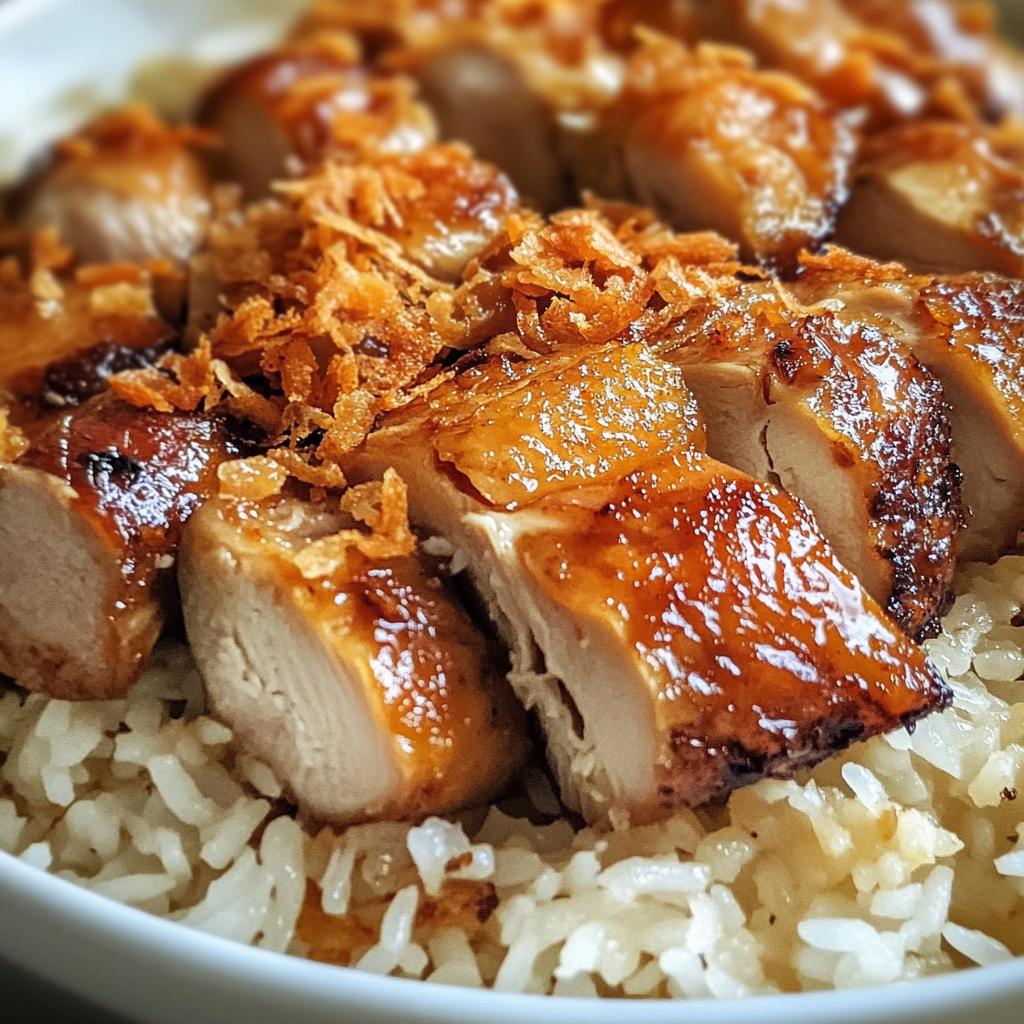
As the clock ticks closer to midnight on New Year’s Eve, Filipino families around the globe gather to celebrate with an array of delicious traditional dishes. This vibrant culinary experience isn’t just about food; it’s about family, love, and the hope for a prosperous year ahead. When it comes to Filipino New Year’s Eve food, the centerpiece often features an inviting selection of dishes that bring everyone together, creating a feast that warms both the heart and stomach.
One of the standout dishes for this celebration is the delightful sticky rice, often paired with savory chicken. The combination of flavors and textures in these dishes not only satisfies but also carries rich cultural significance. You’ll find that preparing these recipes isn’t just about the ingredients; it’s about the stories and traditions they hold. So, roll up your sleeves and get ready to dive into these beloved Filipino favorites that make New Year’s Eve a truly special occasion!
Ingredients for Filipino New Year’s Eve Food
- 1 cup of sticky rice
- 1 cup of coconut milk
- 1 cup of sugar
- 1/2 cup of grated coconut
- 1 whole chicken, cut into pieces
- 1 onion, chopped
- 4 cloves of garlic, minced
- 2 cups of water
- 1 tablespoon of soy sauce
- 1 teaspoon of salt
How to Prepare Filipino New Year’s Eve Food
Getting ready to create this delicious Filipino New Year’s Eve food is easier than you might think! Follow these simple steps, and you’ll have a feast that’s sure to impress your family and friends.
- Rinse and Soak the Sticky Rice: Start by rinsing 1 cup of sticky rice under cold water until the water runs clear. This helps remove excess starch. Then, soak it in water for about 2 hours. This soaking step is crucial because it helps the rice cook evenly and become tender.
- Cook the Sticky Rice: In a medium pot, combine 1 cup of coconut milk and 1 cup of sugar. Stir the mixture over low heat until the sugar fully dissolves. Add the soaked sticky rice to the pot and keep cooking it on low heat, stirring occasionally, until the rice is tender and the mixture is thickened. This should take about 30-40 minutes. Keep an eye on it to prevent burning!
- Sauté the Aromatics: While the sticky rice is cooking, grab another pot and heat a splash of oil over medium heat. Add 1 chopped onion and sauté until it becomes translucent and fragrant—this usually takes about 3-5 minutes. Then, toss in 4 minced garlic cloves and sauté for another minute, just until fragrant. Your kitchen will smell amazing!
- Cook the Chicken: Next, add the pieces of 1 whole chicken to the pot. Cook until they are browned on all sides, about 5-7 minutes. This step locks in flavor and gives the chicken a lovely color.
- Add the Liquid: Pour in 2 cups of water, 1 tablespoon of soy sauce, and 1 teaspoon of salt. Stir everything together and bring it to a gentle simmer. Let it cook, covered, for about 25-30 minutes, or until the chicken is cooked through and tender. You can check by cutting into the thickest part of the chicken; it should be no longer pink.
- Serve: Once both the sticky rice and chicken are ready, serve the sticky rice on a platter with the chicken on the side. You can sprinkle some grated coconut on top for a lovely finishing touch. Enjoy the feast with your loved ones!
And there you have it! A flavorful Filipino New Year’s Eve feast that brings together tradition and taste in every bite.
Why You’ll Love This Recipe
- Quick and Easy: With a total prep and cook time of just 1 hour and 30 minutes, this dish comes together effortlessly, perfect for last-minute preparations as you gear up for the New Year!
- Flavorful Delight: The combination of creamy coconut milk, sweet sticky rice, and savory chicken creates a mouthwatering balance that your taste buds will thank you for!
- Traditional Celebration Dish: This recipe is a staple in Filipino households during New Year’s Eve, making it a wonderful way to honor cultural traditions while creating new memories with family and friends.
- Customizable: Feel free to adapt the recipe to your taste! Whether you want to add vegetables or try different meats, this dish is versatile and can be tailored to suit any preference.
- Heartwarming Experience: Cooking and sharing this meal is about more than just the food; it’s about coming together, fostering connections, and welcoming the New Year with love and joy.
Tips for Success
Want to make sure your Filipino New Year’s Eve food turns out absolutely perfect? Here are some tried-and-true tips that I swear by to elevate your dish and make it shine!
- Use Fresh Coconut: For the best flavor, try using fresh grated coconut instead of the packaged stuff. It adds a natural sweetness and richness that really takes the sticky rice to the next level.
- Adjust Sugar to Taste: You know your family’s sweet tooth better than anyone! Don’t hesitate to adjust the sugar in the sticky rice to suit your taste. If you prefer less sweetness, start with 3/4 cup and add more if you like it sweeter.
- Don’t Skip Soaking the Rice: This step might seem small, but soaking the sticky rice is key to achieving that ideal texture. It helps the grains absorb moisture and cook evenly, so don’t rush it!
- Keep an Eye on the Heat: Cooking the sticky rice on low heat is essential to prevent burning. Stir it occasionally and keep a close watch. If it starts to thicken too quickly, add a splash more coconut milk or water to maintain that creamy consistency.
- Experiment with Add-Ins: Feel free to add in some diced vegetables like carrots or bell peppers to the chicken for added nutrition and color. You can also mix in some chopped herbs for a fresh burst of flavor.
- Let it Rest: After cooking, let the chicken sit for a few minutes before serving. This allows the juices to redistribute, ensuring every bite is juicy and tender!
With these tips in your back pocket, you’re all set to impress everyone at your New Year’s celebration. Enjoy cooking, and have fun making memories with your loved ones!
Variations of Filipino New Year’s Eve Food
One of the best things about Filipino New Year’s Eve food is how versatile it can be! You can easily switch things up to create new flavor combinations while still honoring those cherished traditions. Here are some fun variations to consider:
- Different Meats: While chicken is a classic choice, you can also use pork, beef, or even seafood! For a festive twist, try marinating pork belly or shrimp in some soy sauce and garlic before adding it to the pot.
- Vegetarian Delight: If you want to go meatless, simply skip the chicken and add a medley of vegetables like bell peppers, green beans, and carrots. You can even toss in some tofu for extra protein. Just sauté the veggies until tender and follow the same cooking process!
- Spicy Kick: Want to add some heat? Incorporate chopped chili peppers into the sautéed onion and garlic for a spicy flavor. You can adjust the amount based on your spice tolerance, or even offer chili on the side for those who like it hot!
- Herbed Variations: Experiment with adding fresh herbs like cilantro or basil to the chicken dish. These herbs can brighten up the flavors and add a refreshing twist that complements the rich coconut and sticky rice.
- Sweet Additions: For a sweeter version of the sticky rice, consider mixing in some diced fruits like mango or jackfruit. They add a delightful surprise and a touch of natural sweetness that pairs beautifully with the coconut milk.
- Layered Dish: Instead of serving the chicken on the side, why not layer the dish? In a large baking dish, alternate layers of sticky rice and cooked chicken for a fun, family-style presentation that everyone can dig into!
These variations not only keep things exciting but also allow you to customize your Filipino New Year’s Eve food to suit everyone’s tastes. So, don’t hold back—get creative and make it your own!
Storage & Reheating Instructions
Leftovers from your delightful Filipino New Year’s Eve food can be just as tasty the next day if stored and reheated properly! Here’s how to keep those delicious flavors intact:
Storing Leftovers: Allow any leftover sticky rice and chicken to cool to room temperature before storing them. This helps prevent condensation, which can make your food soggy. Once cooled, transfer the sticky rice and chicken into airtight containers. Make sure to separate them if possible, as it helps maintain the texture of both dishes. They can be stored in the refrigerator for up to 3 days.
Freezing for Later: If you want to keep your leftovers longer, freezing is a great option! Place the sticky rice and chicken in freezer-safe containers or resealable bags. Just be sure to label them with the date. They can be frozen for up to 2 months. When you’re ready to enjoy them again, simply thaw them in the refrigerator overnight.
Reheating Instructions: To reheat your sticky rice, place it in a microwave-safe bowl and add a splash of water or coconut milk to help restore moisture. Cover the bowl with a damp paper towel and microwave in 30-second intervals, stirring in between, until heated through. You can also steam it on the stovetop by placing it in a heatproof dish over simmering water, covering it with a lid for about 10-15 minutes.
For the chicken, you can reheat it in the microwave or on the stovetop. If using the microwave, place the chicken pieces on a microwave-safe plate, cover them with a damp paper towel, and heat in 30-second increments until warmed through. On the stovetop, simply add a bit of water or broth to a skillet, add the chicken, and heat over low until warmed, stirring occasionally to keep it juicy.
By following these storage and reheating tips, your Filipino New Year’s Eve food will taste just as good as when you first made it, allowing you to relive those festive moments with every bite!
Nutritional Information
When it comes to enjoying Filipino New Year’s Eve food, it’s always nice to know what you’re putting into your body. Here’s an estimated breakdown of the nutritional values for one serving of this delightful dish:
- Calories: 600
- Fat: 20g
- Saturated Fat: 10g
- Unsaturated Fat: 5g
- Trans Fat: 0g
- Carbohydrates: 90g
- Fiber: 2g
- Sugar: 20g
- Protein: 25g
- Sodium: 500mg
- Cholesterol: 70mg
Keep in mind that these values are estimates and can vary based on the specific ingredients used and portion sizes. It’s always a good idea to adjust according to your dietary needs and preferences. Enjoying this traditional dish is about celebrating with family and friends, and now you can do so while being mindful of what you’re eating!
FAQ Section
Q1: What are some traditional Filipino New Year’s Eve foods?
When it comes to Filipino New Year’s Eve food, families often prepare a variety of dishes to symbolize prosperity and good fortune. Some classics include sticky rice, lechon (roast pig), pancit (noodle dishes), and various desserts like bibingka (rice cake) and kakanin (rice delicacies). Each dish carries its own significance and brings a unique flavor to the celebration!
Q2: Can I make this Filipino New Year’s Eve food ahead of time?
Absolutely! You can prepare the sticky rice and chicken a day in advance. Just store them in airtight containers in the refrigerator. When you’re ready to serve, simply reheat them as mentioned in the storage and reheating instructions. This way, you can enjoy the festivities without spending too much time in the kitchen!
Q3: What should I serve with the sticky rice and chicken?
While sticky rice and chicken are already delightful on their own, you can elevate your spread by adding some sides like sweet and sour vegetables, a fresh salad, or even a fruit platter. These accompaniments add color and balance to the meal, making your New Year’s Eve feast even more festive!
Q4: How do I ensure the sticky rice turns out perfectly?
To achieve that perfect sticky rice texture, soaking is key! Make sure to soak the sticky rice for at least 2 hours before cooking. This helps the grains absorb moisture and results in a tender, chewy consistency. Also, keep the heat low while cooking and stir occasionally to prevent any burning.
Q5: Are there any vegetarian alternatives for this dish?
Yes! You can easily adapt this Filipino New Year’s Eve food recipe to be vegetarian by replacing the chicken with a mix of your favorite vegetables or tofu. Just sauté the vegetables until tender and follow the same cooking process for the sticky rice. It’ll still be delicious and festive!
Filipino New Year’s Eve Food: 5 Heartwarming Dishes
- Total Time: 1 hour 30 minutes
- Yield: 4 servings 1x
- Diet: Gluten Free
Description
A delightful selection of traditional Filipino dishes to celebrate New Year’s Eve.
Ingredients
- 1 cup of sticky rice
- 1 cup of coconut milk
- 1 cup of sugar
- 1/2 cup of grated coconut
- 1 whole chicken, cut into pieces
- 1 onion, chopped
- 4 cloves of garlic, minced
- 2 cups of water
- 1 tablespoon of soy sauce
- 1 teaspoon of salt
Instructions
- Rinse the sticky rice and soak it in water for 2 hours.
- In a pot, combine the coconut milk and sugar. Stir until dissolved.
- Add the soaked sticky rice to the pot and cook over low heat until the rice is tender.
- In another pot, sauté onion and garlic until fragrant.
- Add chicken pieces and cook until browned.
- Pour in water, soy sauce, and salt. Simmer until chicken is cooked through.
- Serve the sticky rice with chicken on the side.
Notes
- Use fresh coconut for better flavor.
- Adjust sugar according to your taste.
- Pair with other traditional dishes for a complete celebration.
- Prep Time: 30 minutes
- Cook Time: 1 hour
- Category: Main Course
- Method: Boiling and Sautéing
- Cuisine: Filipino
Nutrition
- Serving Size: 1 serving
- Calories: 600
- Sugar: 20g
- Sodium: 500mg
- Fat: 20g
- Saturated Fat: 10g
- Unsaturated Fat: 5g
- Trans Fat: 0g
- Carbohydrates: 90g
- Fiber: 2g
- Protein: 25g
- Cholesterol: 70mg
Keywords: filipino new years eve food, traditional filipino dishes, new year's eve recipes