
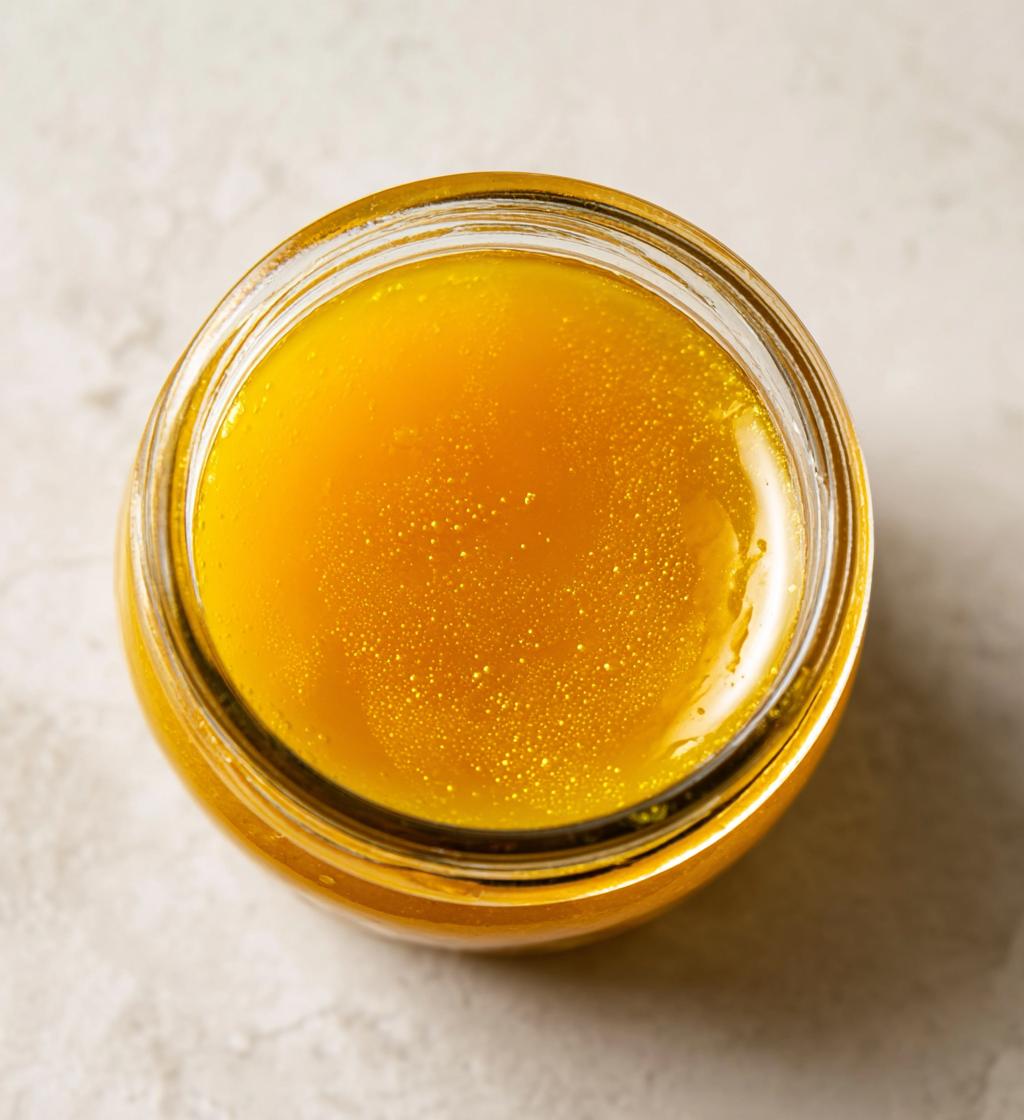
Ah, beef tallow! It’s like the unsung hero of the kitchen, waiting patiently to elevate your cooking game. This rendered fat from beef is not just a cooking fat; it’s a multi-talented ingredient that can transform your meals. Whether you’re frying up some crispy potatoes or baking a rich, flaky pie crust, beef tallow brings an incredible depth of flavor that you just can’t get from vegetable oils. I remember the first time I used it to fry chicken – wow! The crispiness was out of this world, and the flavor? Simply heavenly.
Not only is beef tallow perfect for high-heat cooking, but it also has a high smoke point, making it ideal for frying and sautéing. Plus, it’s a great source of healthy fats that can enhance the nutrition of your dishes. Trust me, once you get the hang of rendering your own beef tallow, you’ll wonder how you ever cooked without it!
Ingredients List
- Beef fat – 2 pounds: Look for high-quality beef fat, often labeled as “suet” or “beef tallow” at your local butcher or grocery store. Make sure it’s fresh and free from any impurities. For rendering, cut the fat into manageable chunks, about 1-inch pieces. This size ensures even melting and helps speed up the rendering process.
How to Prepare Beef Tallow
Rendering beef tallow may sound intimidating, but it’s actually pretty straightforward! Once you gather your ingredients, you’ll be amazed at how simple it is to transform beef fat into a luscious cooking fat that enhances so many dishes. Let’s dive into the steps!
Step 1: Cut the Beef Fat
First things first, safety is key! Use a sharp knife and a sturdy cutting board to cut the beef fat into small, manageable pieces, about 1-inch cubes. This size is perfect because it helps the fat melt evenly and quickly. If you’ve got a large chunk that feels unwieldy, don’t hesitate to cut it into even smaller pieces. Remember, the smaller the pieces, the easier it is to render. Plus, keep a paper towel handy to wipe off your knife if it gets too greasy – it’ll make your job a lot easier!
Step 2: Melting the Fat
Now, it’s melting time! Place the cut beef fat into a slow cooker or a heavy-bottomed saucepan. You want to set the heat to low – we’re talking a gentle simmer here. Low heat is crucial because it allows the fat to render slowly, preventing any burning or browning, which can ruin the flavor. Let it cook for about 2-3 hours. Yes, it takes time, but trust me, the wait is worth it! Just give it a stir every now and then to mix things up.
Step 3: Straining the Liquid Fat
Once the fat has fully melted and you have a beautiful pool of liquid gold, it’s time to strain it! Grab a fine mesh strainer or cheesecloth and place it over a heat-safe bowl or jar. Carefully pour the melted fat through the strainer to catch any solid bits. This step is super important because those impurities can spoil your tallow and affect its flavor. Take your time – you don’t want to burn yourself with hot fat!
Step 4: Cooling and Storing
After straining, allow the liquid tallow to cool at room temperature for a bit. Once it’s no longer steaming, pour it into clean, dry jars or containers. Store your freshly rendered tallow in a cool, dark place, like a pantry or fridge. It can also be kept in the freezer for longer storage. And just like that, you have homemade beef tallow ready to enhance your cooking! Remember, let it cool completely before sealing, so you avoid any condensation inside the jar.
Tips for Success
To make sure your beef tallow turns out perfectly every time, let me share a few tried-and-true tips! First off, always choose high-quality beef fat. The better the fat, the better the flavor of your tallow. Look for fresh, grass-fed beef fat if you can; it makes a noticeable difference in taste and quality.
Next, don’t rush the rendering process. Patience is key! Remember, low and slow is the way to go. It might take a few hours, but this gentle method ensures you get all the deliciousness out of the fat without burning it.
When it comes to storage, keep your tallow in a cool, dark place. If you live in a warm climate, the fridge is a great option. And if you want to keep it for longer, pop it in the freezer! Just make sure to use airtight containers to keep it fresh and free from odors. Happy rendering!
Nutritional Information
Let’s talk numbers! While beef tallow is often praised for its culinary benefits, it’s also important to know what you’re getting nutritionally. Here’s a rough breakdown of the estimated values for a serving size of 1 tablespoon:
- Calories: 115
- Fat: 13g
- Saturated Fat: 6g
- Unsaturated Fat: 7g
- Trans Fat: 0g
- Carbohydrates: 0g
- Protein: 0g
- Sodium: 0mg
- Cholesterol: 0mg
Keep in mind, these values are estimates and can vary based on the specific type of beef fat used and the rendering process. But one thing’s for sure – beef tallow is a powerhouse ingredient, perfect for those looking to incorporate healthy fats into their diet!
Why You’ll Love This Recipe
- High Smoke Point: Beef tallow has a smoke point of around 400°F, making it perfect for frying and sautéing without breaking down.
- Rich Flavor: It adds a beautiful depth of flavor to your dishes that you just can’t replicate with vegetable oils.
- Versatility: Use it in a variety of cooking methods, from frying to baking, and even as a spread!
- Healthy Fats: Packed with healthy saturated and unsaturated fats, it’s a great addition to a balanced diet.
- Long Shelf Life: When stored properly, beef tallow can last a long time, making it a smart pantry staple.
FAQ Section
Q1: What can I use beef tallow for in cooking?
Beef tallow is incredibly versatile! You can use it for frying, sautéing, or even baking. It’s fantastic for achieving crispy textures in fried foods like potatoes or chicken. Plus, you can substitute it for butter or oil in many recipes to enhance flavor and add richness.
Q2: How should I store beef tallow?
To keep your beef tallow fresh, store it in a cool, dark place. An airtight container in the pantry works well, but if you live in a warmer climate, the fridge is a safer bet. For long-term storage, consider freezing it; just make sure to use freezer-safe containers to prevent freezer burn.
Q3: Is beef tallow healthy?
Beef tallow contains healthy fats that can be part of a balanced diet. It’s rich in saturated and unsaturated fats, which can provide energy and support overall health. However, as with any fat, moderation is key. It’s best to incorporate it into a diet alongside other healthy fats and nutrients.
Q4: Can I use beef tallow for baking?
Absolutely! Beef tallow can be used in baking just like butter or shortening. It adds a unique flavor and can help create flaky pastries and tender cookies. Just keep in mind that it has a more pronounced taste than butter, so adjust your recipes accordingly!
Q5: How do I know if my tallow has gone bad?
Fresh beef tallow should have a mild, pleasant smell. If you notice any rancid or off odors, or if it has developed an unusual color or texture, it’s best to discard it. Proper storage can help avoid spoilage, so always keep it sealed and in the right conditions.
Serving Suggestions
Now that you’ve got your delicious beef tallow ready, let’s talk about how to use it! One of my favorite ways is to fry up some crispy potatoes or perfectly golden chicken wings – the flavor is just unbeatable! You can also use beef tallow as a substitute for butter or oil in your baking recipes. It works wonders in pie crusts, adding a rich, savory note that elevates your desserts. For a simple yet satisfying option, sauté vegetables in beef tallow for a delicious side dish that really brings out their natural sweetness. The possibilities are endless, and trust me, once you start using it, you won’t want to go back!
Print
Beef tallow: 5 Secrets to Elevate Your Cooking Today
- Total Time: 3 hours 15 minutes
- Yield: 2 cups
- Diet: Gluten Free
Description
Beef tallow is rendered fat from beef, used for cooking and baking.
Ingredients
- Beef fat – 2 pounds
Instructions
- Cut the beef fat into small pieces.
- Place the fat in a slow cooker or saucepan over low heat.
- Cook until the fat melts, about 2-3 hours.
- Strain the liquid fat through a fine mesh strainer.
- Allow the tallow to cool before storing.
Notes
- Store in a cool, dark place.
- Use tallow for frying or as a cooking oil.
- Good for high-heat cooking.
- Prep Time: 15 minutes
- Cook Time: 3 hours
- Category: Cooking Fat
- Method: Rendering
- Cuisine: American
Nutrition
- Serving Size: 1 tablespoon
- Calories: 115
- Sugar: 0g
- Sodium: 0mg
- Fat: 13g
- Saturated Fat: 6g
- Unsaturated Fat: 7g
- Trans Fat: 0g
- Carbohydrates: 0g
- Fiber: 0g
- Protein: 0g
- Cholesterol: 0mg
Keywords: beef tallow, rendered fat, cooking fat