
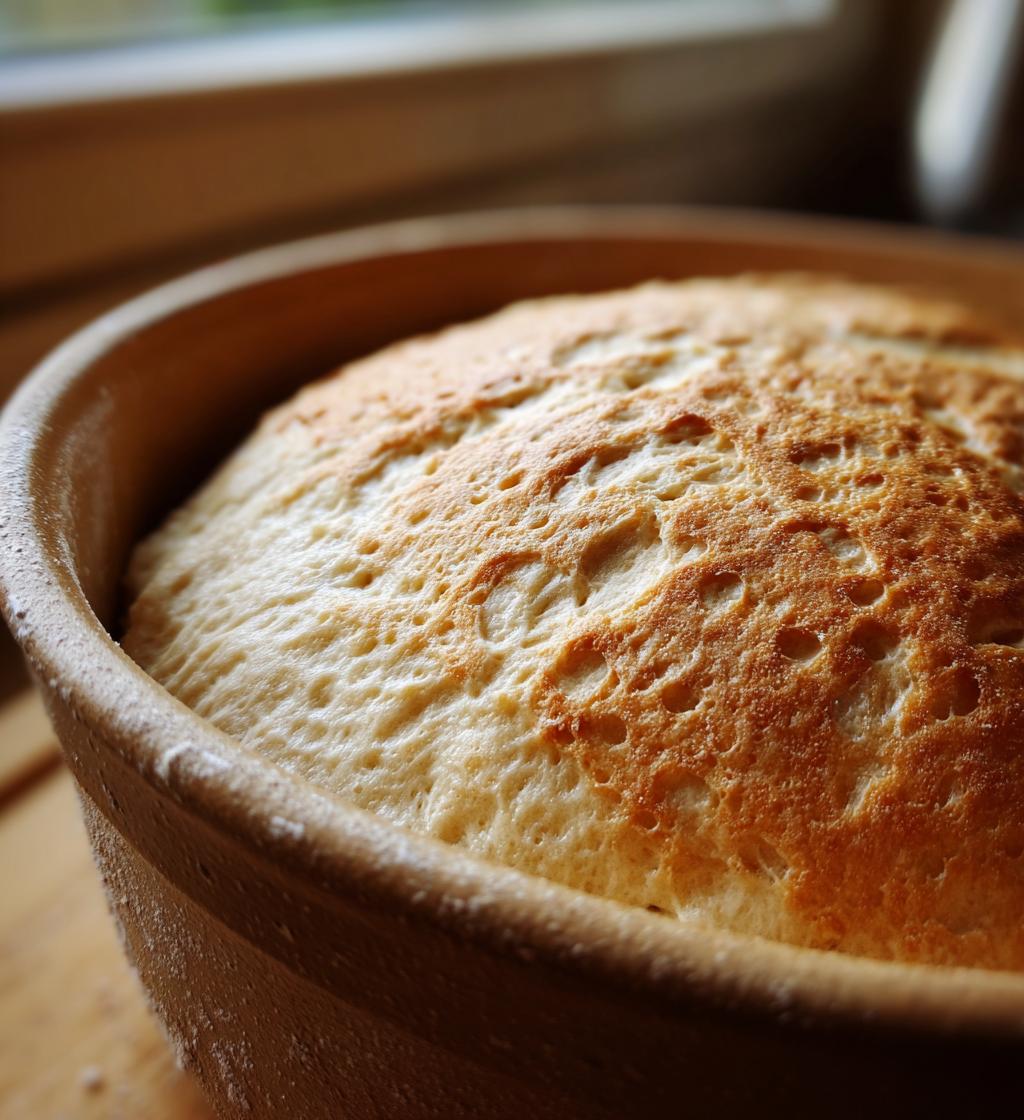
Oh my goodness, let me tell you about the magic of a sourdough starter! It’s like having a little pet in your kitchen that grows and evolves over time, capturing wild yeast and bacteria to create the most incredible bread. I remember the first time I made my own sourdough starter; it felt like I was entering a secret club of bakers. The thrill of mixing just flour and water, then watching it bubble and foam over the days, was nothing short of enchanting. This lovely mixture is the heart of sourdough baking, giving your bread that amazing rise and depth of flavor that store-bought loaves just can’t match. Seriously, if you’re looking to elevate your baking game, starting your very own sourdough starter is a must! It’s not just about bread; it’s about nurturing something special that will reward you with deliciousness for years to come.
What is a Sourdough Starter?
A sourdough starter is a living culture made up of flour and water that ferments over time, capturing wild yeast and beneficial bacteria from the environment. This magical mixture is what gives sourdough bread its unique flavor and fantastic rise, setting it apart from regular breads. You see, the process of fermentation not only creates those delightful air pockets but also adds a depth of flavor that’s simply irresistible. The starter thrives on equal parts flour and water, allowing it to grow stronger and more active with each feeding. As it ferments, you’ll notice a delightful tang developing, which is a signature characteristic of sourdough. This starter is essential for creating that crusty, chewy bread we all crave. Trust me, once you understand the beauty of a sourdough starter, you’ll appreciate it as the heart and soul of your baking adventures!
Ingredients for Your Sourdough Starter
To create your very own sourdough starter, you’ll need just two simple ingredients that you probably already have in your kitchen:
- 1 cup all-purpose flour: Make sure it’s fresh and not expired. I love using unbleached flour for a more robust flavor!
- 1/2 cup filtered water: Using filtered water is key for the best results, as it helps your starter thrive without any unwanted chemicals.
It’s super important to mix these ingredients well to form a thick paste. This mixture will be the foundation of your sourdough starter, so give it some love right from the start!
How to Prepare Sourdough Starter
Getting your sourdough starter going is an exciting journey, and I promise it’s easier than you might think! Just follow these simple steps, and you’ll be on your way to creating a bubbly, active starter that will transform your baking.
Step-by-Step Instructions
- Combine the Ingredients: In a medium bowl, mix together 1 cup of all-purpose flour and 1/2 cup of filtered water. Use a spatula or a wooden spoon to stir until you form a thick, smooth paste. Don’t be afraid to get your hands in there if you want to really mix it up!
- Cover and Let It Sit: Once your mixture is well combined, cover the bowl with a clean cloth or plastic wrap. This allows the starter to breathe while keeping out any unwanted critters. Place it in a warm spot in your kitchen, ideally around 70°F to 75°F (21°C to 24°C), for about 24 hours.
- Feed the Starter: After the first 24 hours, you’ll want to feed your starter. Discard half of the mixture (about 1/2 cup) to make room for fresh flour and water. Then, add another 1 cup of all-purpose flour and 1/2 cup of filtered water, mixing well again. This feeding process is crucial for developing that lovely tang and bubbly texture.
- Repeat Daily: Continue feeding your sourdough starter every 24 hours, following the same process of discarding half and adding fresh flour and water. You’ll start to see bubbles forming, and the mixture will rise and fall – that’s a sign of a happy starter!
- Wait for the Magic: In about 5 to 7 days, your sourdough starter should be bubbly, have a pleasant tangy smell, and be ready to use in your favorite baking recipes. If it’s not quite there yet, don’t worry! Just keep feeding it until it reaches that perfect bubbly state.
Trust me, each step is an important part of the process, and watching your starter grow is incredibly rewarding. So, be patient and enjoy the journey!
Tips for Success with Sourdough Starter
Creating and maintaining a sourdough starter can feel like a bit of a science project, but don’t worry—I’ve got some handy tips to help you succeed!
- Room Temperature Matters: Keep your starter in a warm spot, ideally between 70°F and 75°F. If your kitchen is cooler, it may take longer to bubble up.
- Use the Right Flour: While all-purpose flour works great, consider experimenting with whole wheat or rye flour for added flavor and activity. They’re like a feast for your starter!
- Stick to a Schedule: Try to feed your starter at the same time every day. Consistency is key to developing a robust culture.
- Trust Your Senses: If your starter smells off or develops any weird colors, it’s better to start fresh. A healthy starter should smell pleasantly tangy.
- Keep a Log: Jot down notes on your starter’s progress. It’s fun to see how it evolves over time, and you’ll learn what works best for you!
These tips will set you up for sourdough success and help you create a lively starter that you’ll love baking with!
Nutritional Information for Sourdough Starter
Understanding the nutritional value of your homemade sourdough starter can be quite enlightening! Here’s a quick breakdown of what’s packed into a serving size of 1 cup:
- Calories: 200
- Fat: 1g
- Protein: 6g
- Carbohydrates: 42g
- Fiber: 2g
Keep in mind that these values are estimates and can vary based on the flour you choose to use. With this starter, you’re not just making bread; you’re also adding some nutritional goodness to your baking creations!
Common Questions About Sourdough Starter
When diving into the world of sourdough starter, I often hear a few common questions that can trip up new bakers. Let’s tackle them so you can feel confident in your sourdough journey!
How long does it take to create a sourdough starter? Typically, it takes about 5 to 7 days for your starter to become bubbly and active. Patience is key! You’ll notice changes each day, so keep an eye on it.
Can I use tap water for my sourdough starter? While it’s possible, I highly recommend using filtered water. Tap water may contain chlorine and other chemicals that can inhibit the wild yeast and bacteria you want to cultivate.
What should I do if my starter isn’t bubbling? If your starter isn’t showing signs of life, check the temperature of your environment. It may be too cool. Ensure you’re feeding it daily and be patient; sometimes it just needs a little more time.
Is it normal for my starter to smell? Yes! A healthy sourdough starter should have a pleasantly tangy aroma. If it smells off or develops any strange colors, it’s best to start fresh.
How do I know when my starter is ready to use? Your sourdough starter is ready when it’s bubbly, has doubled in size, and has a nice tangy smell. You can also do the “float test” by dropping a spoonful in water; if it floats, it’s good to go!
Why You’ll Love This Sourdough Starter Recipe
- Simple Ingredients: With just flour and water, you can create a lively sourdough starter without any fancy additives. It’s so satisfying!
- Enhances Flavor: This starter adds a depth of flavor to your bread that is simply unbeatable. The tangy notes will elevate your baking to a whole new level!
- Vegan-Friendly: Perfect for everyone, this starter fits right into a vegan diet, making it accessible for all baking enthusiasts.
- Cost-Effective: Instead of buying commercial yeast, you’ll be harnessing the power of wild yeast from your own kitchen, saving you money!
- Fun & Rewarding: Watching your starter grow and bubble is a delightful experience that connects you to the ancient art of breadmaking.
Storage and Maintenance of Sourdough Starter
Once you’ve created your beautiful sourdough starter, knowing how to store and maintain it is essential for its health and longevity. If you plan to bake frequently, keep your starter on the counter at room temperature. Just remember to feed it daily with equal parts flour and water to keep it bubbly and active. However, if you’re taking a break from baking, you can store your starter in the refrigerator to slow down its activity.
When refrigerating, make sure to feed it first, then place it in an airtight container. I usually cover it with a loose lid to allow it to breathe. You can store it like this for up to a couple of weeks. Just be sure to take it out, let it come to room temperature, and feed it at least once before using it again. Following these simple storage tips will ensure your sourdough starter is always ready for baking adventures!
Print
Sourdough Starter: 5 Secrets to Baking Irresistible Bread
- Total Time: 7 days
- Yield: 1 cup of sourdough starter 1x
- Diet: Vegan
Description
A sourdough starter is a mixture of flour and water that ferments over time, capturing wild yeast and bacteria from the environment. It is used as a leavening agent in baking sourdough bread.
Ingredients
- 1 cup all-purpose flour
- 1/2 cup water
Instructions
- Combine flour and water in a bowl.
- Stir until you form a thick paste.
- Cover the bowl with a cloth.
- Let it sit at room temperature for 24 hours.
- Feed the starter with equal parts flour and water every 24 hours.
- After about a week, the starter should be bubbly and ready to use.
Notes
- Use filtered water for best results.
- Keep the starter at room temperature.
- Store in the refrigerator if not using for a while.
- Prep Time: 15 minutes
- Cook Time: 0 minutes
- Category: Baking
- Method: Fermentation
- Cuisine: American
Nutrition
- Serving Size: 1 cup
- Calories: 200
- Sugar: 0g
- Sodium: 0mg
- Fat: 1g
- Saturated Fat: 0g
- Unsaturated Fat: 0g
- Trans Fat: 0g
- Carbohydrates: 42g
- Fiber: 2g
- Protein: 6g
- Cholesterol: 0mg
Keywords: sourdough starter, fermentation, baking