
Healthy Food Photography: 5 Proven Tips for Stunning Shots
Healthy food photography focuses on capturing the vibrancy and beauty of nutritious meals. This art not only enhances your food blog or Instagram feed, but it also encourages healthier eating habits by showcasing the appeal of wholesome ingredients. Imagine being able to draw in your audience with just a photo, making them crave healthy options while saving you time and effort. Have you ever wondered how some food bloggers achieve that eye-catching look in their photos? The secret lies in a few proven techniques that elevate your food photography from ordinary to extraordinary.
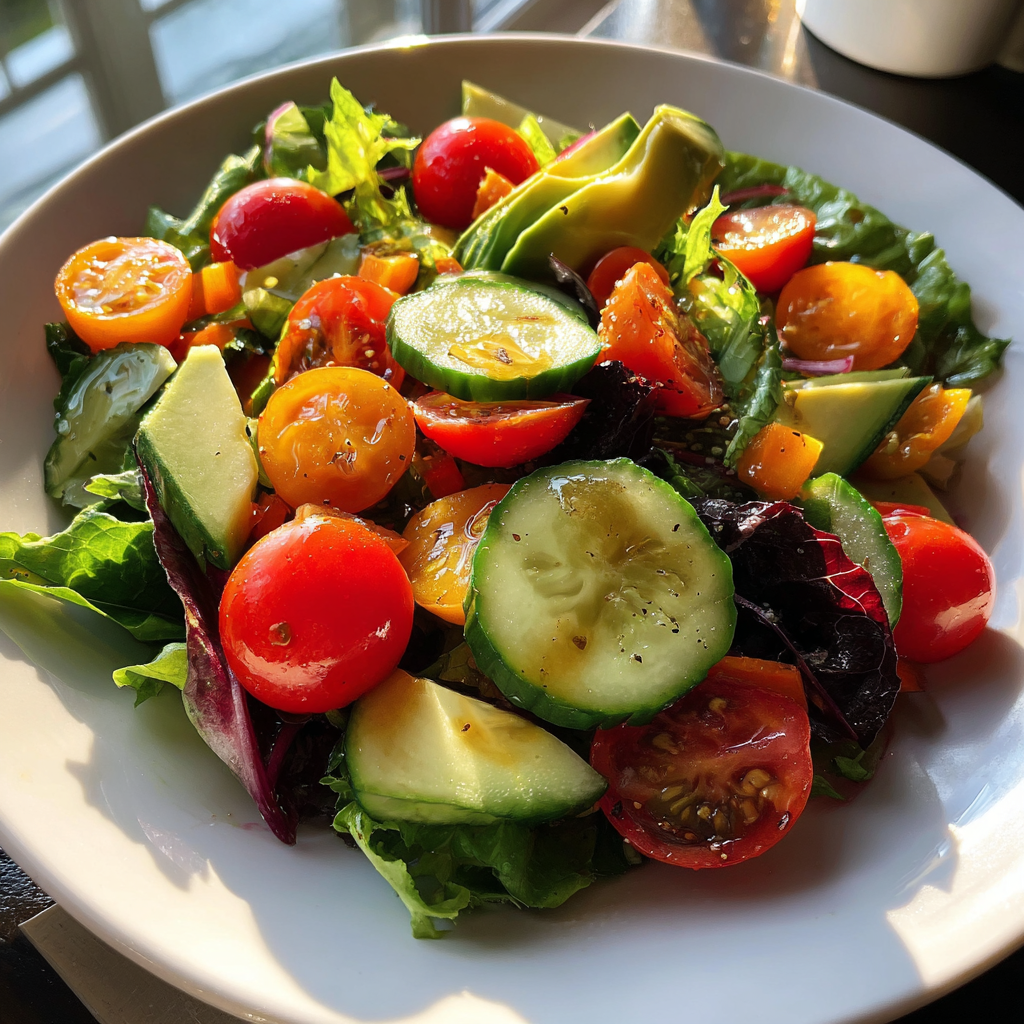
When you look at a stunning shot of a fresh salad, the bright greens, vibrant tomatoes, and creamy avocado all come together to create a feast for the eyes. The texture of the ingredients, the play of light and shadow, and the arrangement on the plate can evoke feelings of freshness and vitality. You can almost smell the herbs and taste the crunchy vegetables just by looking at the image. This sensory engagement is what makes healthy food photography so powerful. It’s about capturing not just the food, but the experience of eating it.
As you dive into the world of food photography, you’ll discover that it’s not just about having a high-end camera. Understanding the principles of composition, lighting, and color can transform your images. Moreover, knowing how to showcase the textures and flavors of your dishes will resonate with your audience. In this article, we will explore five proven tips to help you capture stunning shots of healthy food, enticing your viewers and inspiring them to try your recipes.
In addition to aesthetic appeal, healthy food ingredients like fresh fruits and vegetables, whole grains, lean proteins, and healthy fats are packed with nutrients. For example, vibrant greens are rich in Vitamin K, while avocados provide essential Omega-3 fatty acids. By emphasizing these ingredients in your photography, you not only promote their visual allure but also highlight their health benefits. Did you know that colorful fruits and vegetables can boost your immune system due to their high antioxidant levels? This little-known fact underscores the importance of healthy eating and can serve as an excellent talking point in your posts.
This recipe for healthy food photography isn’t just another tutorial; it’s a celebration of the beauty of nutritious meals. By focusing on this specific approach, you can differentiate your work from others who may overlook the importance of health in their food styling. This unique angle allows you to cater to health-conscious audiences, making your content relevant and appealing. Whether you’re a beginner trying to enhance your photography skills or a seasoned pro looking to refine your technique, these tips will work for you. Families, food bloggers, and anyone looking to impress guests with their culinary creations can benefit from these insights.
To summarize, this article is all about creating visually appealing healthy food photographs. You will learn practical techniques that can enhance your food styling skills, making your dishes look as good as they taste. The prep time is minimal, and the results can be breathtaking. Whether you’re preparing for a weeknight dinner or a special occasion, these tips will help elevate your photography game.
What is Healthy Food Photography
Healthy food photography is the art of capturing images of nutritious meals in a way that highlights their appeal and encourages healthier eating habits. This style focuses on presenting wholesome ingredients in visually stunning ways, allowing viewers to appreciate both the beauty and health benefits of the food. By using techniques that emphasize color, texture, and composition, you can create photographs that not only look good but also convey the essence of healthy eating.
Why You Will Love This Recipe
- Learn how to use natural light for better color and texture.
- Understand composition techniques that draw the eye to your main ingredients.
- Discover how to style your dishes to enhance their visual appeal.
- Master the art of capturing the fresh and vibrant essence of healthy food.
- Gain insights into using props and backgrounds to create context and depth.
Ingredients You Need
- Fresh Fruits and Vegetables: These provide color and contrast in your images.
- Whole Grains: They add texture and depth, enhancing the visual storytelling.
- Lean Proteins: Incorporate them for balance and to showcase a variety of meals.
- Healthy Fats: Ingredients like avocados and nuts add richness and visual interest.
- Herbs and Spices: These can be used as garnishes to add a touch of color and freshness.
How to Make Healthy Food Photography Step by Step
- Choose a Well-Lit Area: Natural light is your best friend in food photography. Aim for indirect sunlight to avoid harsh shadows.
- Style Your Plate: Use clean plates and arrange your food thoughtfully. Consider balancing colors and textures for visual appeal.
- Incorporate Props: Use utensils, napkins, and other elements to create a story around your meal. This adds context and depth to your photographs.
- Experiment with Angles: Shoot from above for flat lays or at a 45-degree angle to capture the layers of your dish. Each angle provides a different perspective.
- Edit for Finishing Touches: Use editing software to enhance colors and adjust lighting. This step can make a significant difference in the final image quality.
- Share and Engage: Post your photographs on social media and engage with your audience by asking for their thoughts or experiences with healthy eating.
Pro Tip: Always test the light conditions before setting up your shot to find the best angle.
Pro Tip: Avoid over-editing; aim for a natural look that stays true to the food’s colors.
Expert Tips for Best Results
- Always keep your camera lens clean to avoid smudges in your images.
- Use a tripod for stability, especially in low-light conditions.
- Consider using a reflector to bounce light and reduce shadows on your food.
- Dress your food with a light glaze to enhance its appeal without overwhelming the dish.
- Experiment with different backgrounds, like wooden boards or marble countertops, to add character to your photos.
- Practice regularly to develop your eye for detail and composition.
Variations and Substitutions
- For a seasonal twist, feature autumn vegetables like squash or winter greens.
- Consider dietary variations by incorporating gluten-free grains or plant-based proteins.
- Explore regional presentations, such as Mediterranean-style platters or Asian-inspired bowls.
- Incorporate seasonal fruits to keep your photography fresh and in line with the current season.
How to Serve and Store
Serve your healthy food photography on clean surfaces to enhance the overall look. When storing, keep prepared dishes in the refrigerator for up to three days. Freezing is not typically recommended for plated meals, as it can affect the texture. If you have leftovers, consider repurposing them in salads or wraps. When reheating, use an oven or stovetop for best results, avoiding the microwave if possible to maintain texture.
Frequently Asked Questions
Can I use my phone for food photography?
Yes, modern smartphones have excellent cameras that can produce stunning food photography.
What lighting is best for food photography?
Natural light is preferred, especially indirect sunlight, to enhance colors and textures.
How can I improve my food styling?
Practice arranging food on the plate and using props to create an inviting setup.
What are some common mistakes in food photography?
Common mistakes include poor lighting, cluttered backgrounds, and over-editing images.
Should I use a filter on my photos?
It depends; subtle filters can enhance photos, but avoid heavy effects that distort colors.
How do I choose the right plate for my dish?
Select plates that complement the food colors and textures without overwhelming the dish.
In conclusion, mastering the art of healthy food photography can significantly enhance your culinary presentations. By focusing on using natural light, thoughtful styling, and proper composition, you can create stunning images that not only look appealing but also promote the health benefits of your dishes. If you want to elevate your food photography skills and inspire healthier eating habits, try this recipe today and leave a comment below!
Print
Healthy Food Photography: 5 Proven Tips for Stunning Shots
Description
Capture the vibrant colors and textures of healthy food in stunning photographs with these tips.
Ingredients
- Fresh fruits and vegetables
- Whole grains
- Lean proteins
- Healthy fats (like avocados or nuts)
- Herbs and spices for garnishing
Instructions
- Choose a clean, well-lit space for your setup. Natural light is best.
- Select a variety of colorful ingredients to create a visually appealing composition.
- Use simple backgrounds to keep the focus on the food.
- Experiment with different angles: overhead shots, eye-level, and close-ups.
- Incorporate props like cutting boards, utensils, and textiles to add depth.
- Consider the plating: arrange food thoughtfully and use garnishes for pops of color.
- Take multiple shots and review them to find the best angle and lighting.
Notes
- Use a macro lens for close-up shots to capture details.
- Avoid clutter in your frame to keep the focus on the food.
- Editing can enhance colors and brightness but keep it natural.
Nutrition
- Serving Size: Varies
Keywords: healthy food photography, food styling, photography tips, healthy recipes, food photography techniques